How to Find the Lowest Car Insurance Rates Without Compromising Quality


Car insurance just keeps getting pricier, and by 2026, a lot of drivers are really feeling the squeeze. Rates are climbing because repairs cost more, cars are loaded with fancy tech, and accident claims are steeper than ever. Even if you’re a careful driver, you’re probably paying more than you did a few years back. Still, a higher price doesn’t guarantee better coverage. A lot of people end up overpaying simply because they stick with the same insurance company for too long or don’t bother shopping around.
Here, we’ll walk you through the lowest car insurance options for 2026, highlight some affordable insurers across the U.S., break down coverage basics, and share real ways to cut costs.
Finding the Lowest Car Insurance in 2026
Getting the lowest car insurance is not just about picking the cheapest policy online. Cheap can become expensive later if coverage is weak. Good insurance balances price with protection.
The lowest car insurance usually depends on several things—age, driving history, location, vehicle type, credit score, plus mileage. A clean record often helps a lot. So does driving less.
Choosing the Lowest Car Insurance Company for Your Needs
The best insurer for one driver may not work for another. That’s important. Finding the lowest car insurance company means comparing price, discounts, customer support, and claims experience—not price alone.
Popular Low Cost Insurance Providers in the USA
Right now, a few companies stand out for offering lower rates.
- GEICO has a reputation for offering low rates to safe drivers, government workers, and anyone with a clean driving record. Their online tools are slick too, so it’s easy to manage your policy or make changes.
- State Farm is a solid pick if you want consistent rates, the convenience of local agents, or savings from combining auto and home policies. Thousands of drivers stick with them year after year.
- USAA almost always comes in with the lowest rates—if you’re eligible. That usually means you or your family has military ties.
Auto-Owners Insurance is strong in many states and popular with people who want both value and good service.
Why Rate Differences Can Be Huge
Insurance pricing models differ a lot. One insurer may reward clean driving heavily. Another may focus more on credit or ZIP code. That is why one company can quote $120 monthly while another says $220 for similar coverage.
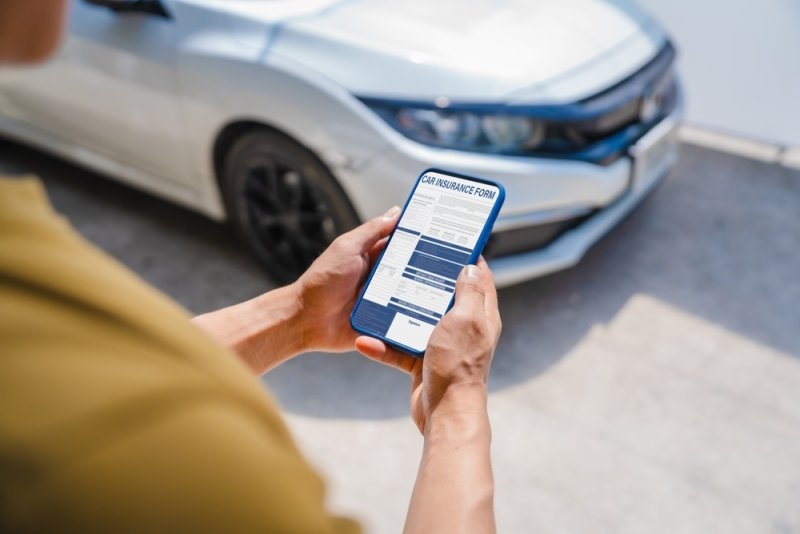
How to Get the Lowest Car Insurance Quote Faster
Most drivers overpay because they accept the first offer. That’s common. Getting the lowest car insurance quote starts with comparison shopping. Gather quotes from at least three to five insurers. More if possible.
Compare Equal Coverage Every Time
Many drivers compare quotes incorrectly. They compare one cheap liability policy against a full coverage plan and assume one company is cheaper. That creates confusion.
Whenever you compare rates, make sure you’re looking at:
- Identical deductibles
- The same coverage levels
- The same add-ons (like roadside or rental)
- All your details (driving history, address, etc.)
This gives a fair lowest car insurance quote comparison. Without this, numbers are misleading.
Use Discounts to Lower Your Quote
Discounts can cut costs fast.
Want to save more? Ask about:
- Multi-car discounts
- Bundling with home or renters insurance
- Safe driver rewards
- Good student perks
- Low-mileage deals
These can significantly improve your lowest car insurance quote. Ask about discounts directly. Not all are automatically applied.
Understanding What Impacts the Lowest Car Insurance Rate
The lowest car insurance rate depends on risk. Insurers' prices are based on how likely they think a claim is. Simple concept. Complicated pricing.
Driving Record Matters a Lot
Tickets, accidents, or claims push rates higher. Safe drivers usually get access to the lowest car insurance rate options because insurers see them as lower risk. Even one speeding ticket can increase premiums noticeably.
Vehicle Type Changes Costs
Expensive cars cost more to insure. If your car comes with advanced safety features, you can usually get a break on your insurance costs. But if you own a sports car, a luxury vehicle, or a model that’s often stolen, expect to pay more. Vehicle choice affects the lowest car insurance rate more than many drivers expect.
Suggested Reading: Customer Service KPIs for Smarter Support Team Performance
Finding the Lowest Cost Car Insurance Without Losing Coverage
Everyone wants cheap insurance. But being cheap without enough protection creates risk. The goal is to find the lowest cost car insurance with useful coverage.
Raise Deductibles Carefully
A higher deductible usually lowers premiums. If you can afford higher out-of-pocket costs during a claim, raising deductibles may help secure the lowest cost car insurance rates.
Remove Unnecessary Extras
Some add-ons may not be worth paying for. Older cars, for example, may not need certain optional coverages. Reviewing policy extras helps many drivers reduce costs and reach better lowest cost car insurance options.
Comparing the Lowest Full Coverage Car Insurance Options
Full coverage costs more than basic liability. That’s expected. Still, affordable options exist. Finding the lowest full coverage car insurance requires comparing companies carefully because rates vary widely.
Full Coverage is Often Worth It for Newer Cars
Suppose your vehicle has high value; full coverage matters. It usually includes liability, collision, plus comprehensive coverage. The lowest full coverage car insurance still provides stronger protection than minimum liability. That matters after serious claims.
Bundle Policies for Bigger Savings
Bundling often reduces premiums. Drivers who combine home, renters, or life insurance with auto policies often unlock better lowest full coverage car insurance pricing.
Also Read: Mastering Business Banking: Services and Digital Options
Conclusion
Cutting insurance costs has less to do with luck and more to do with good habits. Keep your driving record spot-free. Work on your credit score. Drive less if you can. Shop around for new quotes every year. Review your policy so you’re not paying for things you don’t need. Over time, these things really add up.
People who ask questions, compare regularly, and update their coverage tend to score the lowest rates. The cheapest company today might not be next year, so stay open and keep checking.
FAQs
Is Minimum Coverage Always the Cheapest Option?
Most of the time, minimum coverage costs less upfront. But cheapest doesn’t always mean smartest. You’ll get limited protection, and if you end up in a bad accident, you could face some hefty out-of-pocket bills.
Can Credit Score Affect Car Insurance Rates?
Yes. In lots of states, insurers check your credit. If your credit’s good, you usually pay less. But if your score’s shaky—even if you’ve never had a ticket—you’ll probably pay more.
Does Mileage Impact Insurance Costs?
Absolutely. The less you drive, the less you usually pay. If you barely put miles on your car, you spend less time on the road, so insurers see you as less risky and often cut you a break on your rate.
How Often Should I Compare Car Insurance Quotes?
Once a year is a smart habit, but don’t stop there. Check on your rates if you move, buy a new car, or your life changes in a big way. Insurance prices jump around, even when you’re a model driver.
This content was created by AI