Different Stages of the Branding Process that Businesses Use

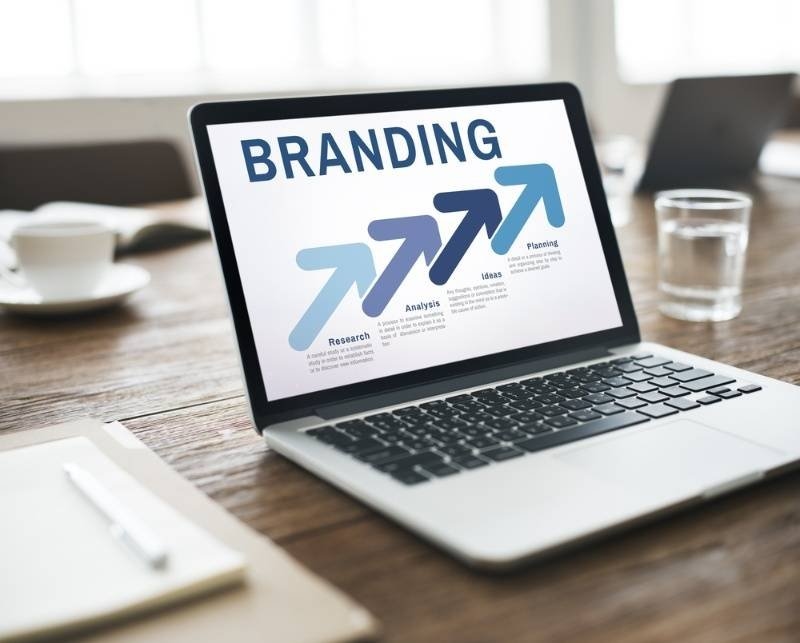
The worst thing you can do is to assume that your company can survive in the modern market with just a basic logo and no real identity. This is because consumers have endless choices today, and they actively ignore businesses that fail to connect with them on a professional level. The only way to secure your market position and build lasting customer trust is by understanding the true stages of the branding process and implementing them correctly.
Must Read: Social Media Marketing for Small Business and How it Drives Growth in 2026?
What is a Branding Process?
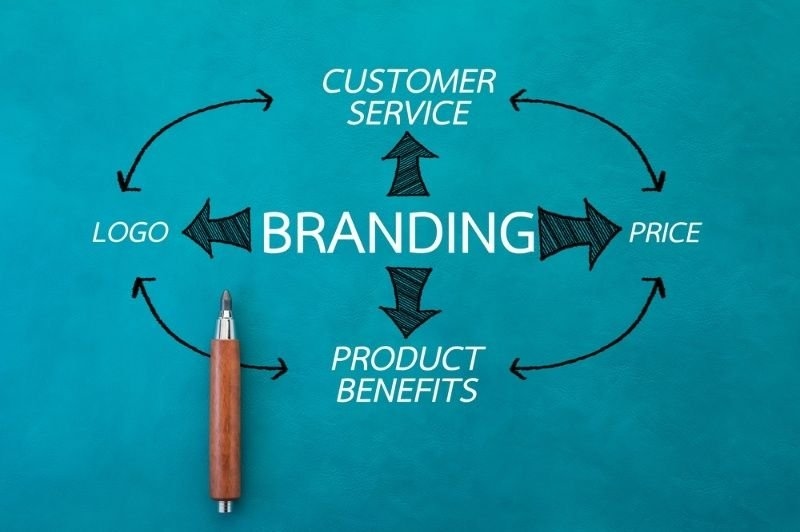
A branding process can be defined as an organized method for developing and controlling the way in which a business or product is perceived by its target consumers. Unlike what most people think, the process of branding does not only involve choosing a logo and deciding on a standard color scheme for your brand. It includes thorough research on the target market to develop an authentic brand voice.
This is a process that can make a new brand well recognized within the industry. Marketing experts and entrepreneurs use this framework to ensure a consistent experience among all the customer touchpoints.
Top Pick: Simple Branding Mistakes that Damage Business Success
Understanding the Different Stages of the Branding Process
You can check below to understand the different stages of the branding process:
1. Conducting thorough market research
Analyzing your competitors and understanding the needs of your target market is crucial to designing a proper branding process. This basic stage helps you avoid creating an identity that no one cares about.
2. Defining your core brand strategy
It is all about describing the purpose of your organization, its vision, and the set of its values. It serves as a compass for all your future decisions on marketing and design.
3. Developing the visual identity
In this stage, your design department comes up with the logos, fonts, and color palettes for your company. They should be in full harmony with the emotionality described in your core strategy.
4. Crafting the brand voice and messaging
There must be a particular tone for the website, social media content, and communication with customers in your business. Being consistent in the way you talk will help establish your credibility and make you appear more human.
5. Applying the guidelines
You will need to make a very strict rule book on how to use your branding in the work done by your employees and partners. This is necessary so that your brand image is consistent everywhere.
6. Publicly launching the brand
Once everything has been done, you can then officially introduce your brand to your audience through proper marketing. You have to do it simultaneously in all places.
Top 3 Benefits of Brand Strategy Development
You can read the following points to understand the top 3 benefits of brand strategy development:
1. Establishing extreme market differentiation
With a good strategy, your business is distinctly different from all other businesses that attempt to offer the same service. If you use automation tools to create your identity, your brand will be just like those of thousands of other businesses without a unique concept.
2. Building unshakeable customer trust
People always prefer to work with companies that come across as well-defined, confident, and professional. The more defined your company values are, the more secure consumers will be when making their payments to you.
3. Streamlining internal company decisions
The presence of a strategy ensures that no member of your business will ever wonder about your company's values and actions. This allows you to hire staff and develop marketing campaigns and products quickly and efficiently.
Brand Strategy Execution: Key Steps to Follow
The key steps to follow for effective brand strategy execution are explained in the following:
1. Training your internal team
Your employees are the frontline defense for your identity. They must be trained on how to communicate effectively through the new message so that they can portray your company appropriately.
2. Updating all digital assets
Each and every single one of your digital assets must now portray both aspects together. You should refresh your entire website, change social media banners, and ensure that all email sign-offs have been refreshed, too.
3. Aligning marketing campaigns
You must realign your marketing campaigns with the newly established core values immediately. Showing consumers old ads with new logos creates a lot of confusion in the minds of consumers.
4. Securing legal trademarks
You must ensure that you have the proper trademarks filed to prevent your competitor from using your identity and logo.
5. Establishing a feedback loop
You will have to keep track of the audience reaction to your new launches in real-time. This can help you to detect any issues and correct them to avoid any reputational harm.
6. Consistency over time
Implementation is an ongoing process that does not end when the launch date comes to a close. You will have to continually audit all your marketing content every quarter to ensure that you do not drift away from the original guidelines.
Factors That Impact the Startup Branding Process
The main factors that impact the startup branding process are listed below:
1. Strict financial limitations
Most new companies do not have massive budgets to hire premium design agencies right out of the gate. Founders must prioritize foundational elements like messaging and logo design before spending money on expensive secondary assets.
2. Rapidly changing business models
Startups pivot their products constantly based on early user feedback. The identity needs to be flexible enough to survive these product shifts without requiring a complete visual overhaul every six months.
3. Intense timeline pressures
New businesses need to get to market immediately to secure funding and test their ideas. This forces founders to condense months of deep strategic planning into just a few short weeks of intense execution.
Conclusion
It goes without saying that no business owner should treat their identity as an afterthought. In today’s highly competitive market, the assumption that a good product will sell itself without a strong identity will prove one of the costliest assumptions you will make. The reality is that consumers have endless choices, and a structured approach is the only thing that will make your company memorable. Therefore, executing the stages of the branding process correctly is the absolute best way to guarantee your business stands out and builds trust in the long-term.
Frequently Asked Questions
1. How long does it typically take a business to complete all phases of the branding process?
A comprehensive project usually takes anywhere from six to twelve weeks, depending on the size of the organization. Larger companies with complex product lines may need several months to finalize their research and fully roll out the new identity.
2. What metrics do companies use to measure the success of their new identity rollout?
Businesses track key performance indicators such as website traffic shifts, social media engagement rates, and direct customer feedback surveys. They also monitor brand sentiment scores to see if the public perception aligns with the intended messaging.
3. Do companies need to revisit the stages of the branding process after their initial launch?
Yes. Most successful organizations conduct an audit every three to five years to ensure their visual identity and messaging remain relevant. If the market shifts significantly, they will repeat the foundational steps to refresh their positioning entirely.
This content was created by AI