Social Media Marketing for Small Business and How it Drives Growth in 2026?
Social media feels crowded now. Every small business is posting something, chasing trends, trying to stay visible. Some brands grow fast. Others post daily and still hear silence. That part frustrates people. But social media is not only about posting more. Timing matters. Content matters. Consistency matters more than fancy graphics sometimes.
For small businesses, social platforms can bring traffic, trust, and sales—but only if used with some structure. Random posting rarely works for long. In this blog, we will cover practical success tips, platform choices, posting habits, content planning, and Instagram growth, plus ways to measure results without wasting time.
Social Media Marketing for Small Business
Most businesses fail on social media because they start posting without knowing what they want. More followers? More website visits? Better local awareness? Direct sales? Pick one or two goals first. Trying everything together usually creates messy results.
Social media marketing for small business works better when goals stay simple. A bakery may want local orders. A clothing store may want website clicks. A coach may want leads in DMs. Different goals mean different content.
Focus on Audience Before Content
Small businesses often make one mistake — they talk only about themselves. Customers don’t care about your office updates every day. They care about solutions, prices, tips, useful ideas, or something entertaining.
Start with the basics. Ask yourself:
- What’s tripping up my customer?
- What kind of content actually saves them time?
- What grabs their attention long enough to make them stop scrolling?
You’ll get better results if you shape your content around their real problems. Stick with practical stuff. People tune out if you push too hard with sales.
Choosing the Best Social Media Platforms for Small Business Growth
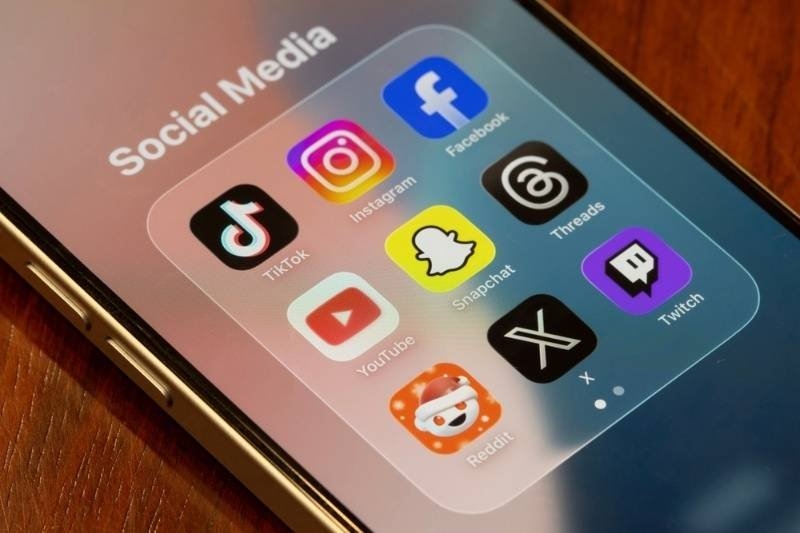
Not every business needs every platform. That myth wastes time.
The best social media platforms for small businesses depend on where customers already spend time. Selling handmade jewelry? Instagram or Pinterest might work better.
Facebook Still Works for Local Businesses
People think Facebook is dead. Not true for local business marketing. Community groups, local ads, reviews, and nearby recommendations are still powerful.
Restaurants, salons, gyms, and repair services often perform well here because local discovery happens naturally.
Instagram Helps Build Visual Trust
Instagram matters when appearance sells products or services. Fashion, beauty, cafés, fitness, interiors — visuals matter here.
Stories create casual engagement. Reels increase reach. Yet polished perfection is not necessary. Sometimes, rough behind-the-scenes videos perform better because they feel real.
LinkedIn Works for Service Businesses
If your audience is professional, skip trendy dances. LinkedIn rewards expertise.
Share things like:
- Industry takes
- Quick tips or lessons
- Small wins from clients
- Useful insights for business owners
Growth can be slow sometimes, but you get higher-quality leads that way.
Practical Ways on How to Grow a Small Business on Instagram
Growth on Instagram takes patience. Viral moments happen — but rarely. Most businesses grow because they stay visible for months.
Post Reels More Often
Instagram pushes video hard. Short clips showing products, quick tips, customer experience and reactions, or even mistakes, can perform surprisingly well.
Use Stories to Build Familiarity
Stories feel informal. That helps.
Here’s what you can post:
- Short daily updates
- Honest customer reviews
- Fun polls
- Sneak peeks of your products
- Behind-the-scenes shots
People buy more when they’ve seen your brand around. Familiarity really does matter.
Write Captions as Humans Talk
Too many captions sound robotic. Avoid corporate language.
Instead of: "We are delighted to announce our newest collection."
Try: "It took us weeks to finish these designs—finally here."
Reply to Comments and Messages Quickly
If you ignore people, your growth stalls. Social media pushes posts that get real conversations going. When you reply quickly, people notice. It shows you're active, you care, and your business is legit.
Silence looks inactive.
Building a Social Media Content Strategy for Small Businesses
Posting random memes one day and sales offers the next creates confusion.
Use The 70-20-10 Content Rule
Most businesses use a simple content mix:
- 70% helpful stuff — tips, how-tos, useful advice
- 20% engaging posts — polls, fun content, little community tidbits
- 10% promotional — actual offers, products, or discounts
If you come on too strong with sales, people tune you out. But if you never talk about what you sell, the business suffers.
Reuse Winning Content
People forget fast online. One successful post does not need retirement.
Repurpose your content. For example:
- Turn long blogs into swipeable carousels
- Answer customer questions on video
- Show off good reviews with simple graphics
- Deliver bite-sized tips as quick reels
This saves a lot of time and energy.
Understanding How Often to Post on Social Media for Business
People obsess over frequency. Truth is consistency beats volume.
The question of how often to post on social media for business depends on your capacity. Posting daily for one week, then disappearing for a month, does not help.
A business posting three strong posts weekly often performs better than weak daily uploads.
For posting frequency, most small businesses do well with:
- Instagram: 3 to 5 times a week
- Facebook: 3 or 4 times a week
- LinkedIn: 2 to 4 times a week
- Stories: Every day, if you can swing it
But honestly, you have to experiment. Every audience is different.
Measuring Social Media ROI for Small Businesses Without Guesswork
Likes feel nice. Sales matter more. Tracking ROI on social media matters too, especially for small businesses. You really don't want to waste time on posts that just sit there doing nothing.
And hey, results don't always show up right away. Some posts need time. They start by building trust. Keep going. Choose numbers that connect to business goals.
If you want more awareness, track things like how many people you reach, profile visits, and followers. If you want sales, keep an eye on website clicks, inquiries, actual purchases, and conversion rates—not just flashy numbers that don’t really mean much.
Don't Miss: Why Business Strategists Are Vital in Crisis Management
Conclusion
Social media success for small businesses rarely comes from luck. Mostly, it comes from steady effort mixed with smart decisions. Pick platforms carefully. Post consistently. Talk like a person, not a brand trying too hard. Some posts will fail — normal. Others unexpectedly perform well. What matters is staying active without burning out. Build a clear content rhythm, understand your audience, and measure what matters, then adjust slowly.
FAQs
Can small businesses do social media without paid ads?
Absolutely. Plenty do. You can still grow just by posting consistently and sharing genuinely useful stuff. Sure, paid ads will speed things up, but you don’t have to start there.
What type of content builds trust with customers the fastest?
Reviews from real people, behind-the-scenes clips, educational posts, and honest stories. People trust you more when your content feels unscripted and not too polished.
Should every social media platform get the same content?
Not really. You can cover the same ideas, but you’ll want to tweak how you share them. Something that works on LinkedIn might need more detail, while Instagram loves quick, visual posts.
How fast does social media actually work?
It depends. Sometimes you’ll notice a bump in engagement within weeks, but sales usually take longer. Consistency wins; trust takes time to build. Stick with it.
This content was created by AI