How to Start a Startup: A Simple and Clear Path for Founders

Starting something of your own is exciting. It can also feel confusing. Many people have ideas but do not know how to start a business in a simple way. The truth is, building a startup needs clarity, action, and patience.
This startup guide will help you understand the steps. Whether you are thinking about starting a business for the time being or improving an idea you already have, this blog will help you move forward.
How to Start a Startup?
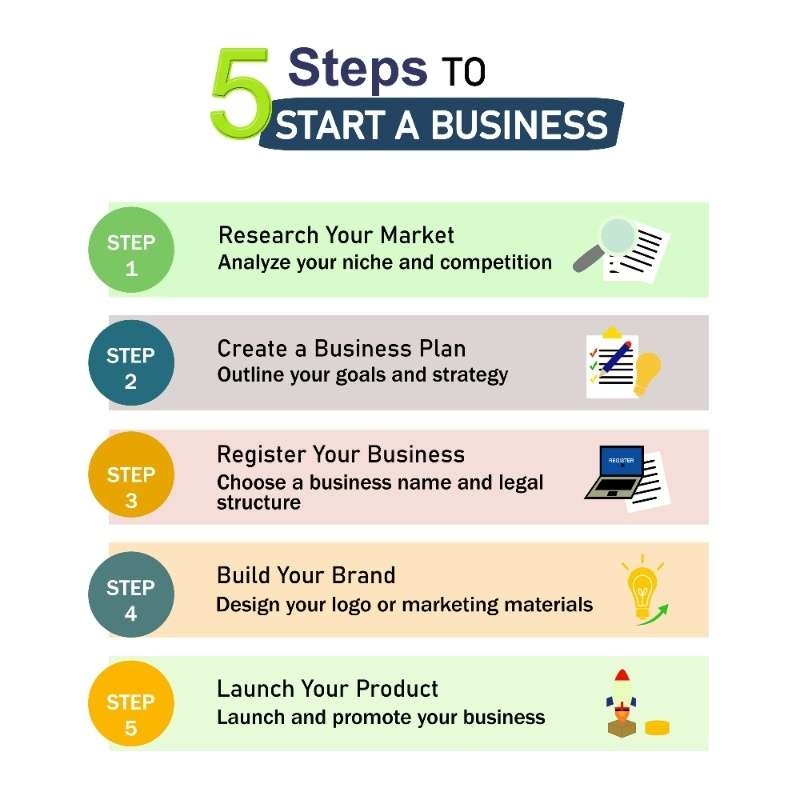
Here’s a quick guide on how to start a startup:
1. Understand Your Startup Idea Clearly
The first step in learning how to start a startup is to understand your idea. A vague idea is not enough. You need to know what problem you are solving and who you are solving it for.
Many founders jump into starting a business without thinking about the need. So ask yourself what problem your startup idea solves. Who faces that problem?. Why would people choose your solution? These answers form the base of your startup business plan.
2. Research Your Market
Once your startup idea is clear, the next step is to understand your market. Research helps you avoid mistakes. It gives you a picture of your business environment.
You need to know who your competitors are. What customers expect. How many people are willing to pay? These insights play a role in shaping your startup business plan.
3. Create a Simple Startup Business Plan
A startup business plan does not have to be long. It should clearly explain your startup idea. Your target audience. Pricing and growth strategy.
Your plan acts like a roadmap. It keeps you focused. Helps you track progress. Without a plan, it becomes easy to lose direction.
4. Validate Your Startup Idea
Before investing much time or money, you need to test your startup idea. Validation is a step.
You can do this by talking to customers. Creating a version of your product. Offering a trial service. This helps you understand if people are actually interested.
5. Build a Minimum Viable Product
A minimum viable product, or MVP, is a version of your product. It allows you to launch quickly and start learning from users.
6. Focus on Branding and Identity
Branding is how people see and remember your business. A strong brand helps you stand out.
Think about your brand voice. Colors. Message. These elements should match your audience and business goals.
7. Set Up Your Finances
Managing money is a part of how to start a business. You need to understand your costs and some start-up funding essentials.
Start by estimating your expenses and setting a budget. This is one of the important steps. Poor financial planning can lead to failure.
Keep your finances simple and organized. Track your spending. Adjust when needed.
8. Understand Legal and Compliance Requirements
Understanding legal and compliance requirements is really important when you are starting a business. A lot of people who want to start a startup do not think about legal and compliance requirements. If you set up your business correctly from the start, you will not have problems.
When you start a business, you have to pick the kind of business, register the name of your company, and figure out what licenses or permits you need to get.
Your startup plan should also include some legal things, like contracts, terms of service, and protecting your intellectual property, which is your startup's ideas and products. This will help you build a secure business.
9. Launch and Promote Your Startup
When everything is ready, it is time to launch your startup. Launching is just the beginning. You also need to promote your startup to get your customers. Use marketing strategies like social media, content, and word of mouth. These methods are effective. It will not cost you a lot of money.
Reaching your audience and making them aware of your business is essential. Even small things can make a difference.
When you are learning how to start a business, remember that marketing is something you need to do all the time.
10. Improve Continuously
No startup is perfect when it starts. Learning and improving are part of starting a business. You need to listen to what your customers say and make changes when you need to. This will help you stay relevant and competitive.
A successful founder knows that starting a startup is not about launching but also about growing and adapting. You should keep trying things and making your product or service better over time.
11. Build the Right Team
You cannot do everything by yourself. Building the team is really important when you are starting a business. You need to find people who share your vision and have the skills for a smart employee onboarding process. A strong team will really help your business do well and grow faster.
Your startup business plan should also have roles and responsibilities. This will keep everyone on the page and avoid confusion.
Starting a startup also means knowing when to ask for help and when to work with others.
12. Stay Consistent and Patient
Building a startup takes time. There will be challenges. You need to keep going. Many people give up early when they are starting a business, but success often comes from keeping at it. This startup guide reminds you that patience and hard work go together. It may take some time to see progress. It will build up over time.
Starting a business also means knowing that things will not happen quickly.
Final Thoughts
Learning how to start a startup is a journey with a lot to learn, challenges, and growth. If you follow the business startup steps, you can turn your idea into a real business.
If you really want to start a business, focus on solving problems, be patient, and keep getting better. Over time, your hard work will pay off, and you will get more confident with each day. You will see good results from your startup.
FAQs (Frequently Asked Questions)
What should be the very first thing to do when starting a startup?
Starting a startup is all about pinpointing a specific problem and figuring out a way to solve it. Knowing who your customers are and getting feedback on your idea are essential steps for laying a solid groundwork for your business to thrive.
Is it necessary to have a startup business plan to start a business?
Definitely, you can't start a business without a business plan, especially if you want a startup. It guides you, helps you arrange your thoughts, manages money, and even monitors how you are doing. Even a basic plan can have a profound impact on success.
How much money is required to start a business?
The money it takes to open a business really depends on your business concept and the business you are in. Some new companies hardly require any money, while others might be loaded with investment. Keep it minimal, be intelligent with managing costs, and increase gradually as your business matures.
How long does it take to be a successful startup company?
Unfortunately, there is no standard time set for becoming successful while in the process of starting your business. Some startups could be growing extremely fast, while others could be taking a couple of years. Keep your business journey consistent, never stop learning, and always be ready for changes—these are the most important factors that determine the speed at which your business grows and becomes successful.
This content was created by AI