Funding Types for Startups: Guide to Raising Capital in USA

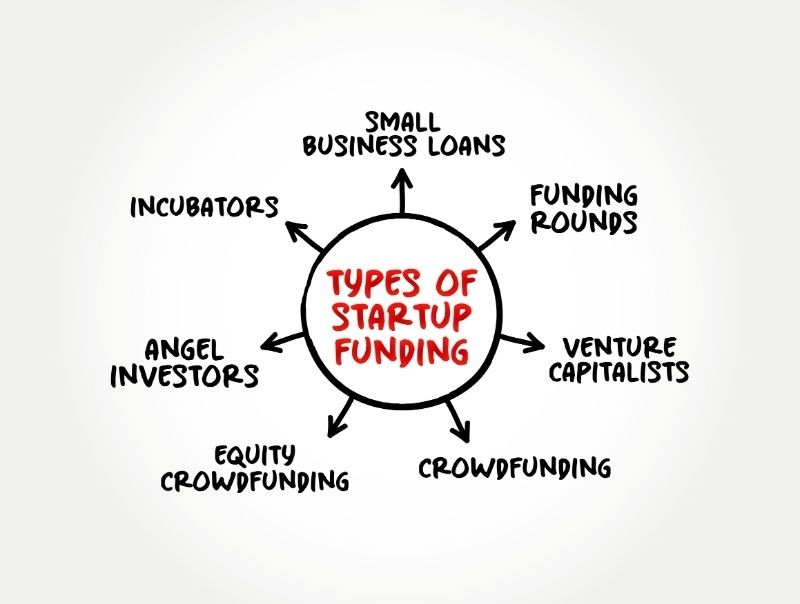
Starting a business is really exciting. Getting the money you need can be very hard. You have to know how to raise money for your new company. This will help you decide how your business will grow.
You can get money from investors or from many people on the internet. Each way of getting money has its good and bad things about it. If you want to know how to get money for your company, this guide will tell you about the most common ways to get money. This will help you make choices about money for your business.
Why is Startup Funding Important?
Funding is crucial for turning ideas into businesses. It helps pay for costs. It also supports making products, marketing, and expansion. Without funding, even the best ideas can struggle to grow. Please choose the funding source. This ensures your business can last the term and grow over time. Startup funding ensures a company has sources and credibility, confirming their further growth with the funding.
How to Get Funding for a Startup?
Before you start looking for money, you need to know how to get it. First, you have to make a plan for your business. This plan should include your idea, the people you want to sell to, and the amount of money you expect to make.
People who might give you money want to know that your business can grow and make a profit. You also need to meet people, explain your idea, and show them you are trustworthy. Securing funds is about showing people that your business is a good idea and that you can make it work. Securing funds takes time and effort. It is worth it if you really want to make your business happen.
What Are the Common Funding Types for Startups and Their Benefits and Drawbacks?
Funding is crucial to a startup's continued growth and operations. Naturally, for a startup, there are many new things to learn on the go. So, in the first place, making money for a startup is difficult. There are several funding options available, each suited to different stages of business growth.
Venture Capital
Venture capital is when firms invest in startups with a good chance of rapid growth. These startups are usually looking for substantial funding to get off the ground. The firms that invest are called venture capital firms. They look for startups with growth potential. This option is ideal for startups looking to scale quickly.
Benefits
- Large amounts of funding
- Access to industry expertise
- Networking opportunities
Drawbacks
- Loss of equity
- High expectations for rapid growth
Angel Investors
Angel investors are people who invest in new companies that are just starting out. These Angel investors usually invest in startups before anyone outside the company does.
Benefits
- Flexible investment terms
- Mentorship and guidance
- Faster decision-making
Drawbacks
- Equity dilution
- Limited funding compared to venture capital
Crowdfunding
Crowdfunding helps startups get large amounts of money from many people. They use websites on the internet to do this. This way works great for creative projects and for things people use.
Benefits
- No need to give up equity in some cases
- Builds early customer interest
- Validates business ideas
Drawbacks
- Requires strong marketing efforts
- Uncertain funding outcomes
Startup Grants
Startup grants are money that governments or organizations give to you. You do not have to pay it back. Startup grants are really good for companies that work in technology, conduct research, or want to make a difference in people's lives.
Benefits
- No repayment required
- Supports innovation and research
- Reduces financial risk
Drawbacks
- Highly competitive
- Strict eligibility criteria
Loans
Business loans help startups get the money they need to run their businesses. Startups that know how much money they will make can use business loans to get the funds they need from banks or other lenders. Business loans are a viable option for these startups because they have a clear idea of how much money they will make.
Benefits
- Retain full ownership
- Predictable repayment terms
- Suitable for various business types
Drawbacks
- Interest payments
- Requires creditworthiness
- Risk of debt
Series Funding
"Series funding" is about the stages of investment. These stages include Seed, Series A, Series B, and more. Series funding helps startups as they grow. The funding supports them as they change and get bigger. It is used by startups as they evolve. Series funding has stages. These are Seed, Series A, and Series B.
Key Stages
- Seed Funding: Initial capital to develop ideas
- Series A: Scaling the business model
- Series B and beyond: Expansion and growth
Benefits
- Structured funding growth
- Increased business valuation
Drawbacks
- Equity dilution at each stage
- Pressure to meet performance targets
Choosing the Right Funding Option
Selecting the funding source for your business depends on what you want your business to do, how old it is, and how much risk you are willing to take. If you have a business, you might want to get money from angel investors or crowdfunding.
If you have an older business, you might want to get money from venture capital or series funding. You need to think about how much control of your business you are willing to give up and how fast you want your business to grow.
Know More: Raise Capital for a Business: Effective Funding Strategies
Tips for Securing Startup Funding
Getting the right funding is really important. You have to prepare and keep trying to secure the right funding. To improve your chances of getting the funding you want, preparation and persistence are key. The right funding is what you need. You have to work hard to get the right funding:
- Develop a strong business plan
- Build a compelling pitch
- Demonstrate market demand
- Maintain financial transparency
- Network with investors and industry professionals
Conclusion
Getting funding for startups is really important if you want your business to succeed. You have a lot of options, like venture capital, angel investors, crowdfunding, startup grants, loans, and series funding. Each of these options is good in its way.
Knowing how to raise money for your startup helps you choose a plan based on what you want to do. If you do it the right way, money can make your idea into a successful business that can grow. Funding for startups, like venture capital and series funding, can really help your business.
FAQs
What is the Best Funding Type for Early-Stage Startups?
The best places to get money for startups are usually through angel investors, crowdfunding, and seed funding. These people give you the money you need to start with terms that're pretty easy to work with. They also help you see if your business idea is a good one and attract customers, making it easier to raise more money from big investors, like venture capital, when you need it later on.
Do Startups Have to Repay All Types of Funding?
No, not all funding types need to be paid. Loans have to be repaid with interest. But venture capital and angel investments are different; they involve giving up some equity. Startup grants are good because they do not need to be repaid. It's really important to understand what each funding type means. This will help you pick the one for your business. You should know about loans, venture capital, angel investments, and startup grants. Each one is different.
How Long Does it Take to Secure Startup Funding?
The time required to secure startup funding varies depending on the type and readiness of the business. It can take weeks for crowdfunding campaigns or several months for venture capital deals. Preparation, networking, and having a strong business plan can significantly speed up the funding process.
This content was created by AI